Seller's Guide

A step-by-step guide for San Francisco sellers

Selling a home in San Francisco comes down to a handful of decisions: when to list, how to price, what to fix and which offer to take. This guide walks through the eight steps from first conversation to closing, what to decide at each one, and the trade-offs involved. Use it as a map. Your timeline and goals will set the order.

Colorful San Francisco buildings with the city and distant hills beyond.

Step 1: Clarify your goals and timing

Start with what the sale needs to do for you. Are you funding your next purchase, relocating on a deadline, or waiting for the right price? If you're buying again, decide whether to sell first or buy first; each has a cost, and a lender can tell you what bridge options exist. Your goals shape everything after this, from pricing to which offer you accept.

Furnished living room with a stone fireplace and open doors overlooking a backyard pool.

Step 2: Price from evidence

Pricing starts with recent comparable sales and a close read of current market conditions: how much is for sale, how fast similar homes are selling, and where they're landing against list price. Then there's a strategy choice. Listing near expected value can attract steadier interest; listing below it can draw more buyers and competing offers, with more uncertainty about where you'll land. I'll show you the numbers behind each option, and a price I can explain line by line.

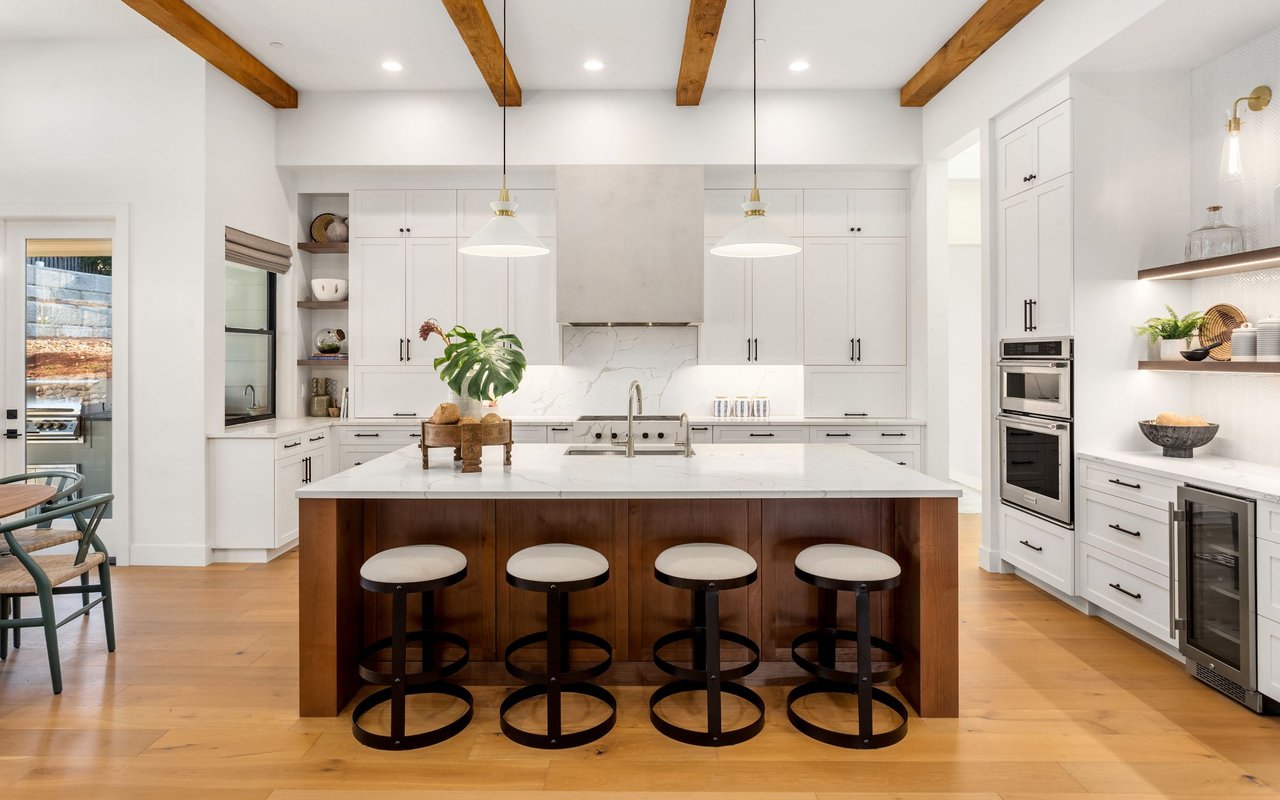
Modern white kitchen with a dark wood island, four stools, marble counters, and exposed ceiling beams.

Step 3: Prepare disclosures and inspections early

In California, sellers must disclose known facts that affect a home's value or desirability. Many San Francisco sellers also order inspection reports before listing, so buyers can review them before offers are due. Doing this early surfaces issues while you still have time to address them, and lets buyers bid with confidence instead of discounting for unknowns. I'll help you assemble the package; questions about what to disclose go to your attorney.

Bright living room with ornate molding, built-in shelves, a white fireplace, and large bay windows.

Step 4: Prepare the home

Choose preparation by return: what is worth fixing, what is worth staging, and what to leave alone. Small repairs, a deep clean, decluttering and good light usually matter more than a renovation that won't pay for itself. I'll walk the home with you, flag what buyers and inspectors will notice, and help you line up vendors if you want them.

Furnished home office with a walnut desk, cream curtains, and a glass door overlooking greenery.

Step 5: Market the home

The listing goes on the MLS with professional photos, a floor plan where it helps, and a description of the home's real features. From there, I'll put it in front of buyers and their agents through open houses, broker tours, my agent network and social media. Most interest arrives in the first weeks a home is on the market, so the listing should be complete and the disclosures ready on day one.

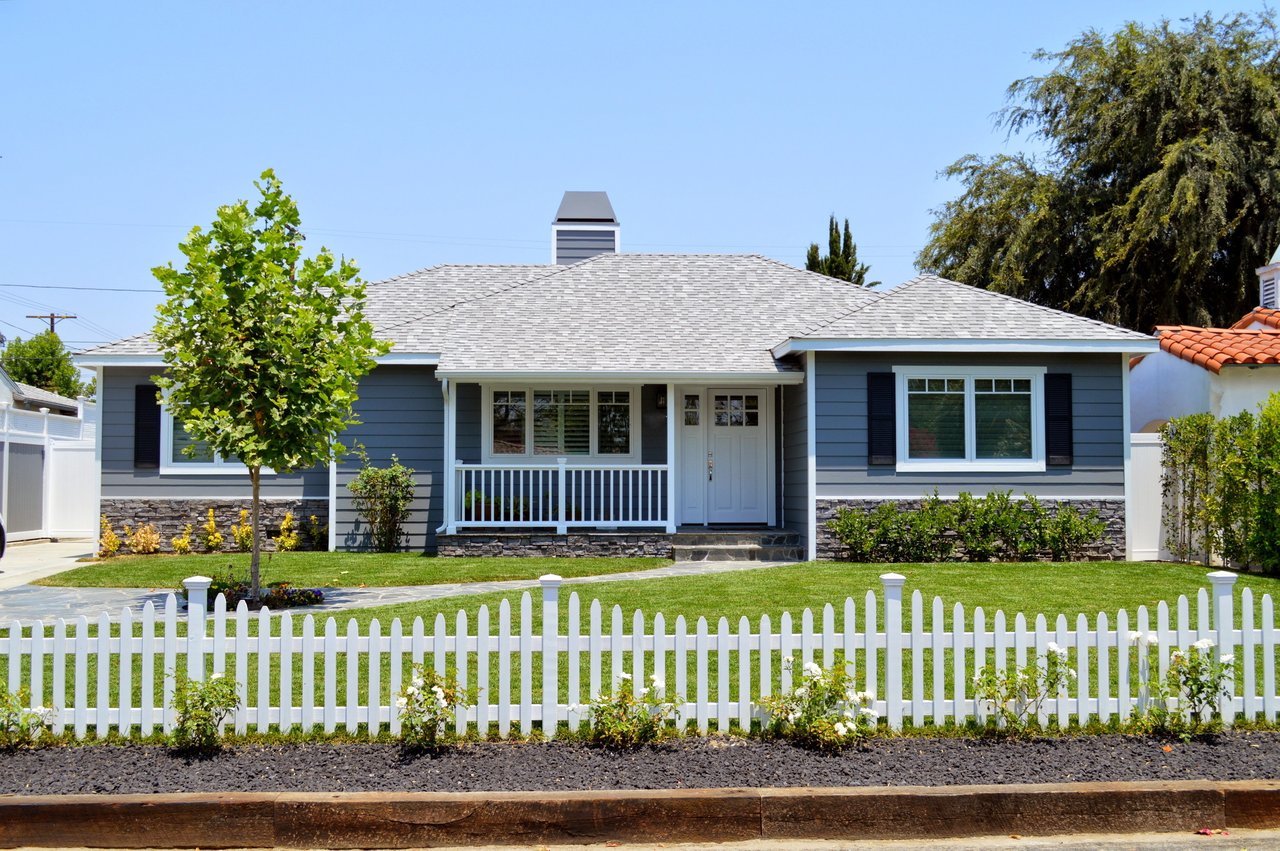
Blue-gray single-story home with a covered porch behind a white picket fence.

Step 6: Review offers

The highest price isn't always the strongest offer. We'll compare each one on price, deposit, financing and how firm the buyer's approval is, contingencies, closing timeline and any requests for credits or repairs. If you set an offer date, I'll organize the offers side by side so you can see the trade-offs clearly. The decision on which offer to take, and when to counter, is yours.

Marble bathroom with a freestanding soaking tub and glass shower beside a tall city-view window.

Step 7: Negotiate and open escrow

If an offer is close but not right, we'll counter on the terms that matter most to you. Once both sides sign, escrow opens and the buyer's deposit goes in. I'll track every deadline: contingency removals, the appraisal, the buyer's loan approval and any repair requests, and keep you updated so nothing surprises you.

Two people sit on a lawn facing Victorian houses and a city skyline.

Step 8: Close

In California, an escrow and title company handles the final steps. The buyer does a final walkthrough, you sign your closing documents, and once the buyer's loan funds and the deed records, the sale is complete and your proceeds are released. Before closing, arrange your move, transfer or cancel utilities, and leave keys, codes and appliance manuals for the new owner. Ask a CPA about the tax side of your sale.

SOLD!

Wherever you're headed next, you'll leave with a clear record of the sale and every document in one place. If you're buying again in San Francisco, the same process starts over on the buy side, and I'm glad to help with that too.

Questions about taxes, disclosures or contracts? I'll connect you with a CPA or real estate attorney. This guide is general information, not legal, tax or financial advice.

Ready to Explore San Francisco Together?

Whether you're buying, selling or just starting to ask questions, I can help you make the decision with clear information and candid trade-offs. Every search starts with a short conversation about your goals, timeline and budget.

Follow Me on Instagram